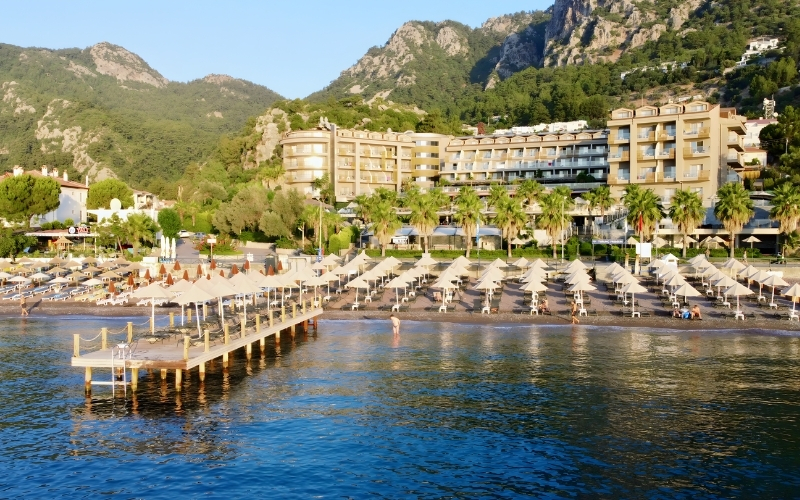
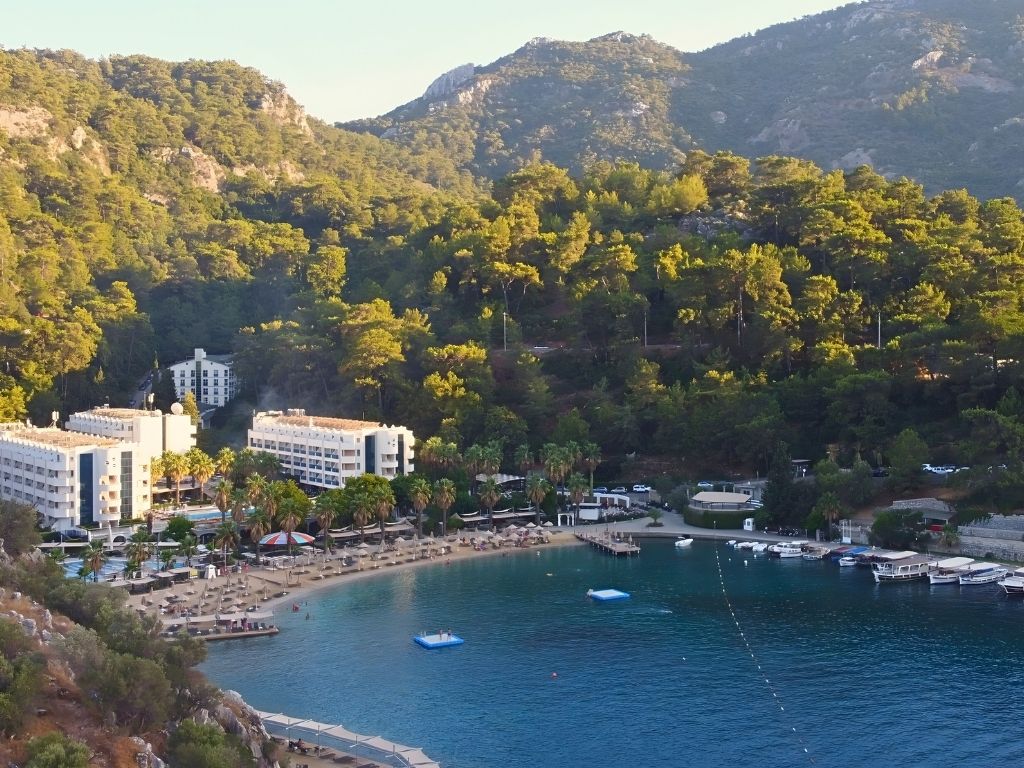
In the rush of modern life, there is one thing we too often forget: nature's own music. Birdsong, the rustle of leaves, the whisper of the wind, all lost amid the noise of the city... Turunç, a peaceful corner of the Aegean, offers you not just a feast for the eyes but also the chance to rediscover this unique symphony of natural sounds. The lush green forests, maquis-covered hills and deep blue shores surrounding Turunç are home to a surprising variety of birds, making birdwatching one of the most relaxing and rewarding experiences you can have in this tranquil paradise.
In this article, we'll take you on a journey into the world of Turunç's feathered residents. We'll explain in detail why Turunç is an ideal spot for birdwatching, which species you might encounter, where and when you can best observe them, and how this activity can bring you a sense of calm and connection with nature. Get your binoculars ready, keep your ears open and set off to discover the sounds of nature and the quiet moments of Turunç.
Turunç: Why Is It an Ideal Spot for Birdwatching?
There are several important reasons why Turunç is such an appealing destination for birdwatchers:
- Habitat Diversity: Turunç and its surroundings offer a rich variety of habitats that can support many different bird species. Dense Turkish red pine forests, typically Mediterranean maquis and heathland, scattered olive groves and gardens, rocky stretches of coastline and, of course, the sea itself create suitable environments for birds with different feeding and sheltering habits. This diversity increases the number of species you can observe.
- Relative Calm and Little Human Pressure: Compared with big cities or mega tourist resorts, Turunç is a much calmer place. With fewer people and less noise pollution, birds can live more comfortably and be observed without being startled. The wooded areas and countryside in particular offer peaceful viewing spots where human impact is minimal.
- Geographical Location and Migration Routes: The Muğla region lies on important bird migration routes between Europe, Asia and Africa. This increases the chance of seeing various migratory species that stop over in and around Turunç or pass through the area, especially in spring (April–May) and autumn (September–October). These periods are a source of extra excitement for birdwatchers.
- Clean Air and a Healthy Ecosystem: The area's generally clean air and healthy natural environment support a rich insect population and a wide variety of plants. This means plenty of food for birds and helps sustain a healthy bird population.
Feathered Residents and Migrant Visitors: Bird Species You Can See in Turunç
The bird species you might come across in Turunç, whether you are scanning your surroundings with binoculars or simply listening to the sounds of nature, are remarkably varied. Of course, you won't always be able to see every species, but here are some that are common in the area or can be seen at certain times of year:
Residents of the Woodlands
Tits: With their nimble movements and cheerful chirping, they bring joy to the forest. Look for species such as the Great Tit, Blue Tit, Coal Tit and Crested Tit in the branches of pine trees or among the bushes.
Finches: The Chaffinch, known for its pleasant song, and the smaller European Serin are often seen along forest edges and in gardens.
Thrushes and Blackbirds: You may hear the melodious song of the Song Thrush or the distinctive voice of the Blackbird. They are usually seen feeding on the ground or in the undergrowth.
Eurasian Jay: This clever, curious bird usually makes its presence known in the pine forests with its striking call. With its colourful plumage, it is a delight to observe.
Woodpeckers and Nuthatches: You may spot various woodpecker species or nuthatches (especially the Eurasian Nuthatch) moving along tree trunks.
Birds of Prey: You can watch raptors such as the Common Buzzard or the Kestrel soaring over the forests. More rarely, eagles or falcons may also pass through the area.
Mysterious Residents of the Maquis and Scrubland
Warblers: These small, lively birds usually hide among the bushes but give away their presence with their calls. Species you may observe include the Sardinian Warbler, Rüppell's Warbler, which is characteristic of the region, the Common Whitethroat and the Blackcap. Recognising their calls is the key to finding them.
Cetti's Warbler: If you're near a small stream or spring, you may hear the sudden, explosive song of the Cetti's Warbler, but actually seeing one is quite difficult.
Stonechat: Usually seen perched in open scrubland or on fences, it draws attention with its distinctive call.
Buntings: Various bunting species can be seen feeding on seeds, especially in open areas and along the edges of scrubland.
Birds of the Coast and Sea
Gulls: The most commonly seen seabird is undoubtedly the Herring Gull. You'll often spot it on the beach, around boats or over the sea. Although rarely, you may also see Audouin's Gull, which is unique to the Mediterranean.
Cormorants: The European Shag in particular can be seen on the coastal rocks or hunting at sea. On boat trips, you can come across them even closer.
Swallows and Swifts: Especially in the summer months, it's a pleasure to watch flocks of swallows and swifts darting over Turunç Bay as they hunt insects.
Migrant Visitors (Spring and Autumn)
During migration periods, Turunç and its surroundings can host many different bird species that stop to rest or feed. Various warblers, flycatchers, wheatears, shrikes, colourful bee-eaters, the Golden Oriole, the Hoopoe and various birds of prey are among the potential visitors you might see at this time. Spotting migratory birds is partly a matter of luck, but birdwatching during these periods can be all the more exciting.
Viewing Spots: Where and When to Look for Birds?
Although there is no dedicated observation tower for birdwatching in Turunç, the natural surroundings offer plenty of opportunities:
- Forest Trails (such as the Amos Path): These are the best places to observe forest birds. Walk quietly and scan your surroundings with both your eyes and your ears. The treetops, the middle layers and the ground level are each home to different species.
- Maquis-Covered Slopes: Ideal for spotting species such as warblers, stonechats and buntings. You'll need to be patient and watch carefully for movement in the bushes.
- Olive Groves and Village Gardens: The more open, wooded areas in or on the edge of the village can attract finches, tits and blackbirds.
- Turunç Beach and Seafront Promenade: A good place to watch gulls, cormorants (on the distant rocks) and flocks of swallows and swifts in flight. Early mornings are usually quieter.
- The Summit of the Ancient City of Amos: The open ground at the top can be a good spot for watching birds of prey or open-country birds (such as wheatears). Birdwatching with such a view is a real pleasure, too.
- Boat Trips: Boat trips are a great opportunity to see seabirds (especially cormorants) up close, spot birds nesting on the steep coastal cliffs or observe the bird populations on small islets.
Best Timing: Birds are usually most active very early in the morning (at daybreak) and in the late afternoon before sunset. In the midday heat, bird activity generally drops. As for the seasons, spring (breeding season and migration) and autumn (migration) are the busiest times.
Nature's Orchestra: The Peace of Listening to Birdsong
Birdwatching isn't just about seeing; it's also about listening. Turunç's calm setting lets you clearly hear the sounds of nature, especially the birds' many songs, chirps and calls. Learning to recognise different birdsongs enriches your birdwatching experience and helps you build a deeper connection with the natural world around you. Sometimes, identifying a bird you can't see by its voice alone is a real joy. Even simply sitting back and listening to the sounds of the forest or the shore is a meditative act in itself, bringing incredible peace after the noise of city life.
Tips for Successful and Enjoyable Birdwatching:
- Binoculars: A good pair of birdwatching binoculars (8x42 or 10x42 is usually recommended) is a must. They let you see birds clearly from a distance without disturbing them.
- Bird Guide: A field guide or mobile app covering the birds of Türkiye or Europe will help you identify the birds you see.
- Notebook and Pen: Noting down the birds you see, along with the place, the date and their behaviour, speeds up the learning process and creates a lovely keepsake journal.
- Silence and Patience: Patience and silence are the keys to birdwatching. Move slowly and calmly, and avoid sudden movements and talking loudly. Sometimes simply staying still in one place and waiting gives the best results.
- The Right Clothing: Wearing comfortable clothes in colours that blend in with nature, made from quiet fabrics (avoid bright colours), helps you avoid startling the birds. It's important to dress for the season and choose comfortable shoes.
- Ethical Guidelines: Don't disturb birds or their habitats. Don't approach or touch their nests. Avoid methods such as calling birds in with sounds. Respect nature, take your rubbish with you and don't enter private property without permission.
Discover the Feathered Beauties of Turunç
Turunç is a special place for nature lovers, not only for its sea and sunshine but also for its rich birdlife and peaceful birdwatching opportunities. Whether you're an experienced birdwatcher or want to take up this enjoyable hobby for the first time, the forests, hills and shores of Turunç will give you unforgettable moments. Grab your binoculars, blend into nature with quiet steps and witness the fascinating world of Turunç's feathered residents. Quiet moments filled with birdsong will add a new dimension to your holiday and give you a deep sense of calm.
After a peaceful day spent enjoying Turunç's natural beauty and listening to birdsong, wouldn't you like to unwind with a comfortable stay? Located in the heart of Turunç, the Turunç Resort and Turunç Premium hotels, with their setting surrounded by nature and the facilities they offer, are a wonderful base for activities such as birdwatching. With stunning views, modern comfort and an approach focused on guest satisfaction, the Aegean holiday of your dreams is just a click away. Book your stay now to combine all the beauty of Turunç with an exclusive accommodation experience!